Tinting a Tesla: What You Need to Know
Tinting a Tesla: What You Need to Know
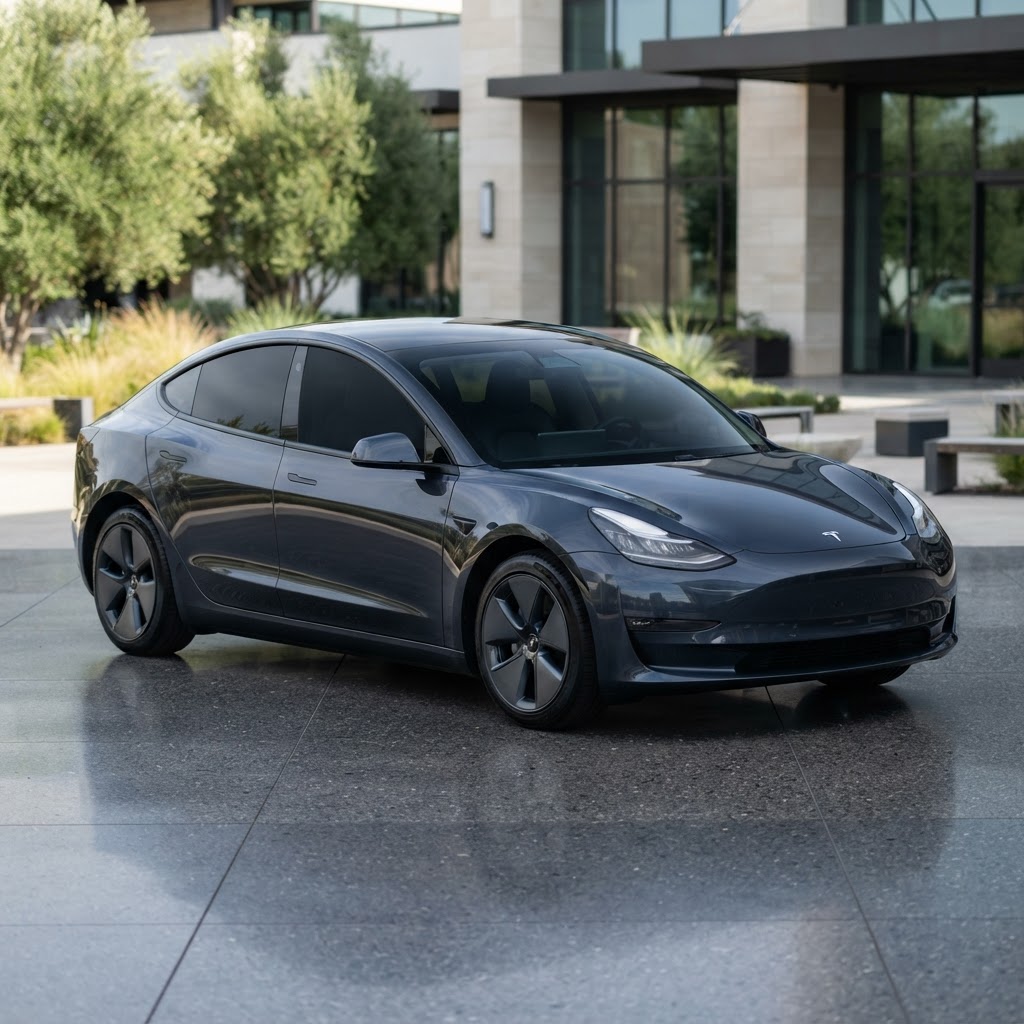
Teslas are some of the most popular vehicles we tint in Utah County, and for good reason — they have massive glass roofs and windshields that let in a lot of heat. But Teslas also require special consideration when it comes to window film.
The Signal Interference Problem
This is the #1 issue with tinting a Tesla. Many traditional metallic or hybrid films block cellular, GPS, and key fob signals. On a Tesla, where so much of the car's functionality depends on connectivity — Autopilot, navigation, mobile app, the key card system — signal blocking is a serious problem.
The solution: Use a non-metallic, nano-ceramic film. Our Royal Protection film (X Supreme Nano Ceramic) is 100% non-metallic, so it rejects heat without interfering with any of your Tesla's signals.
The Glass Roof
Tesla's panoramic glass roof is beautiful but turns the cabin into a greenhouse in Utah summers. Many owners don't realize you can tint the glass roof — and it makes a dramatic difference in cabin temperature. A ceramic film on the roof can reject up to 95% of infrared heat.
Curved Glass
Some Tesla models have more curved rear glass that requires extra skill and heat-shrinking technique to install without distortion or bubbles. This is not a DIY job — it needs an experienced installer.
Utah's Legal Limits Still Apply
Even on a Tesla, Utah's tint laws apply (updated May 2025):
- Front side windows: more than 35% VLT (changed from 43%)
- Windshield: top 4 inches only (AS-1 line)
- Back side and rear: any darkness
- No metallic or mirrored tint allowed
The glass roof has no VLT restriction, so you can go as dark as you like for maximum heat rejection.
Why Tesla Owners Choose King Romer
We've tinted many Teslas across Eagle Mountain, Saratoga Springs, and Lehi. We use only non-metallic ceramic film, we know the curved-glass technique, and we back our work with a lifetime warranty.